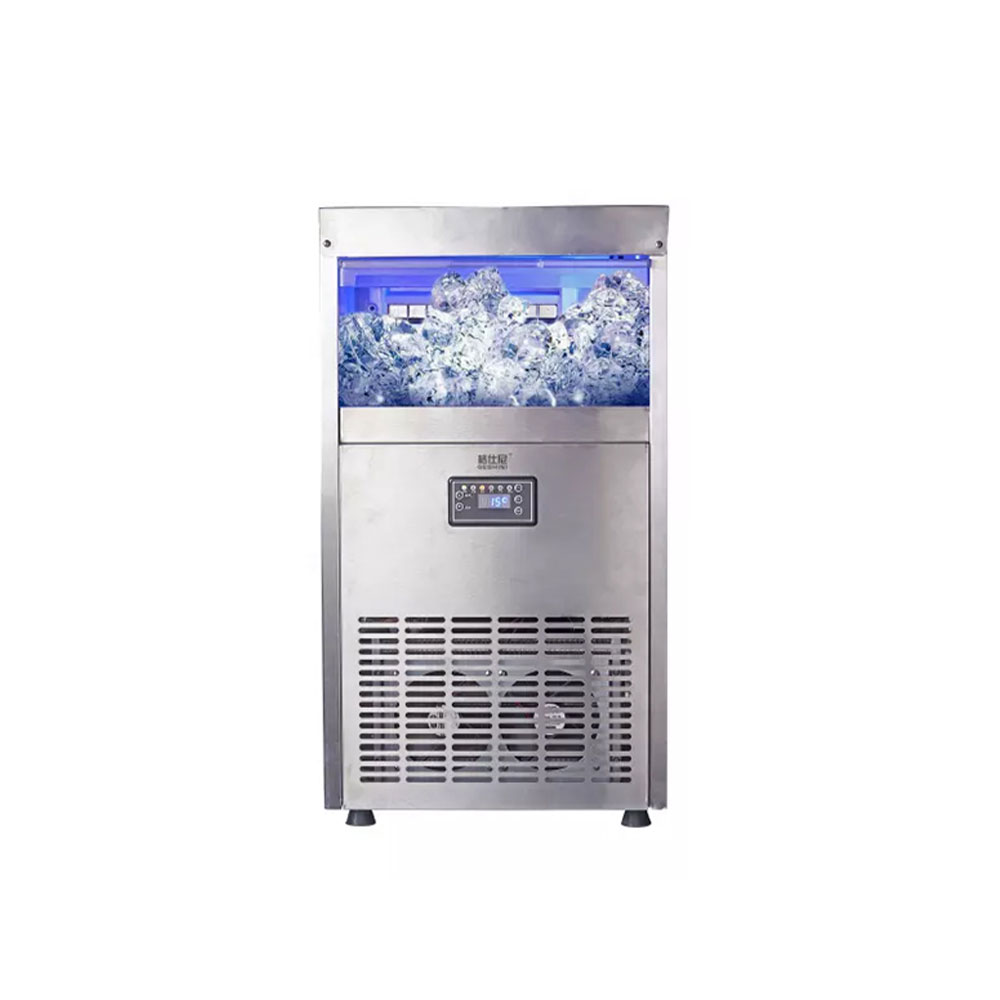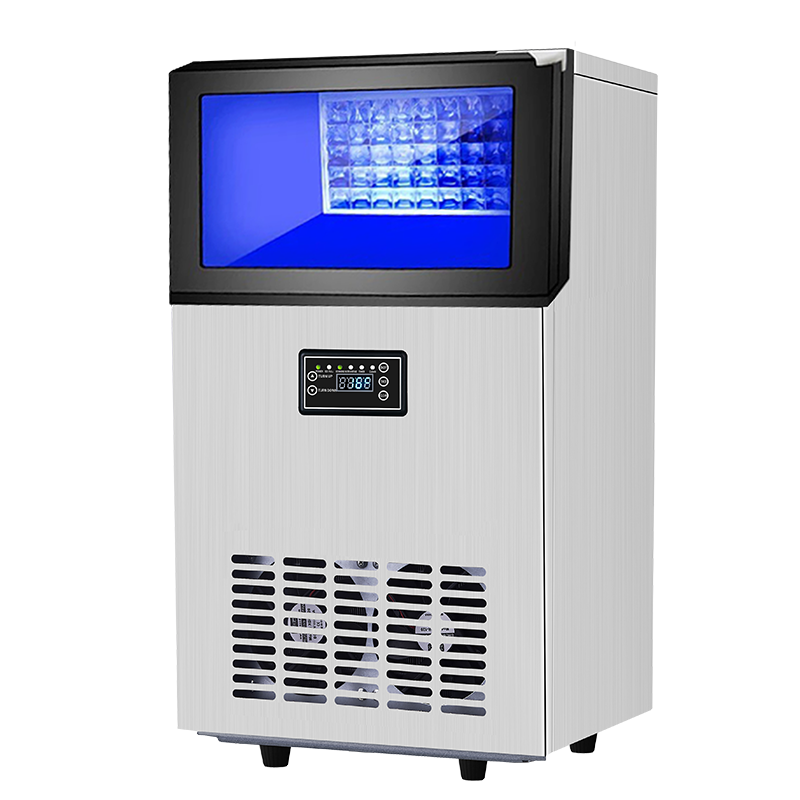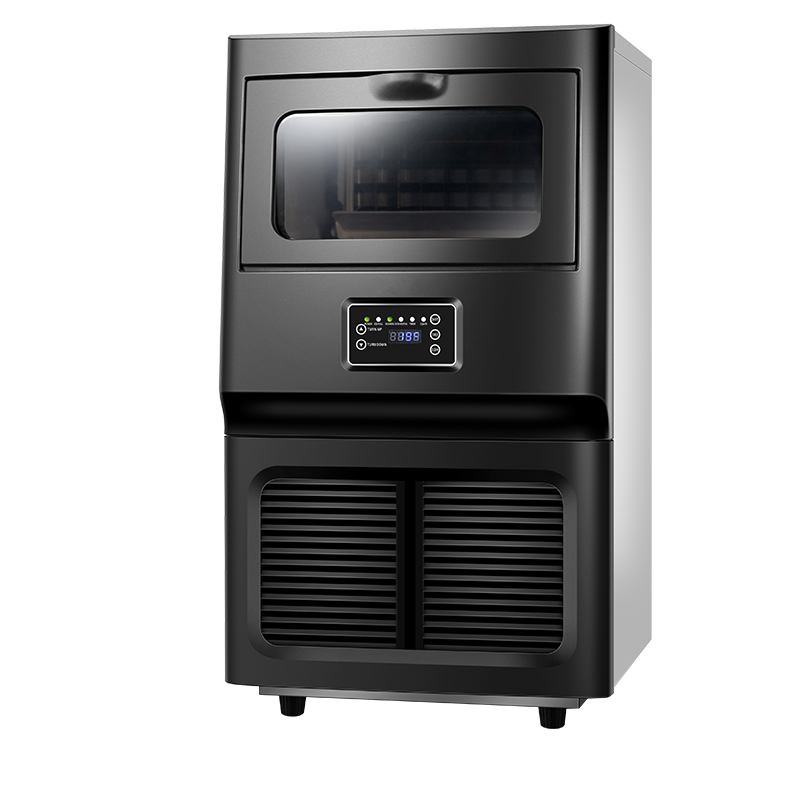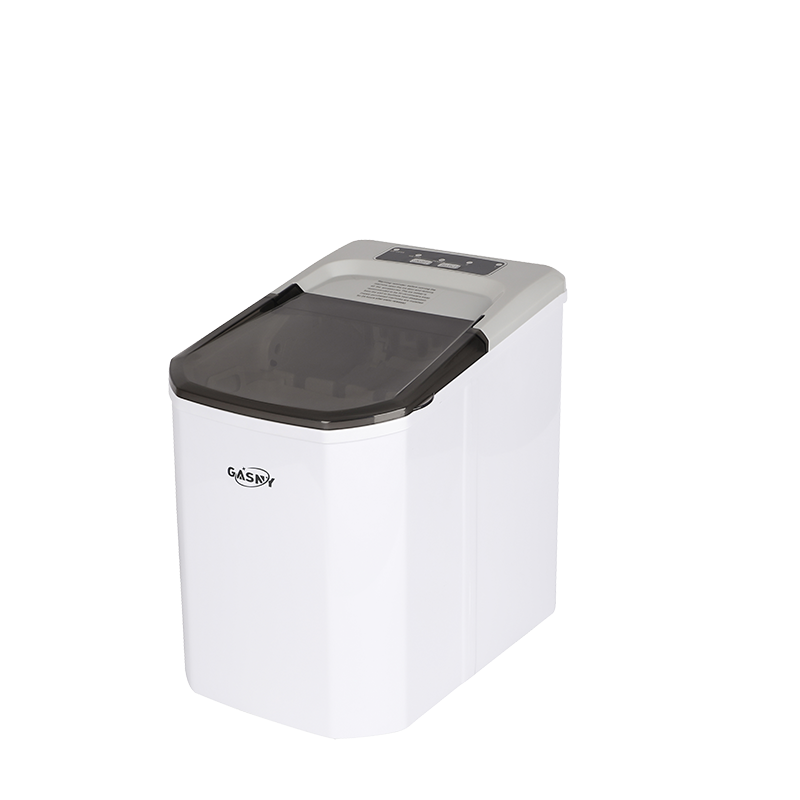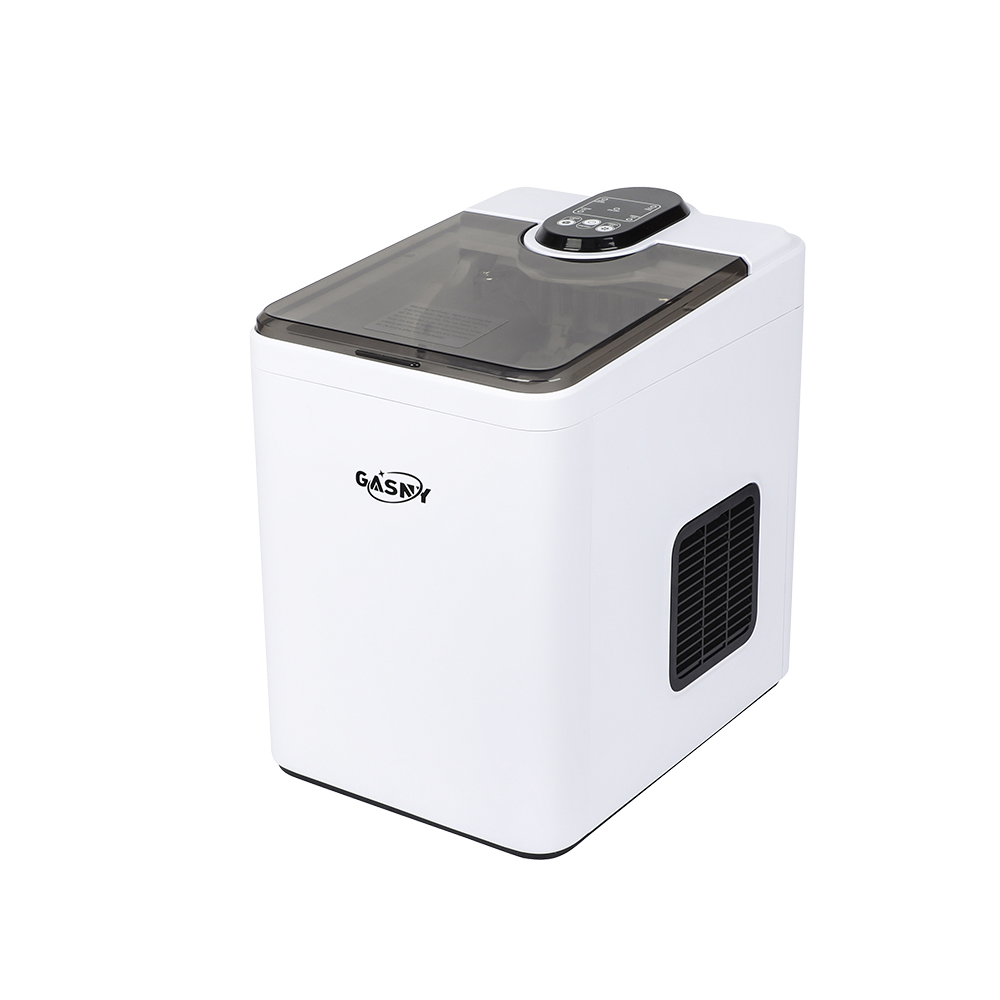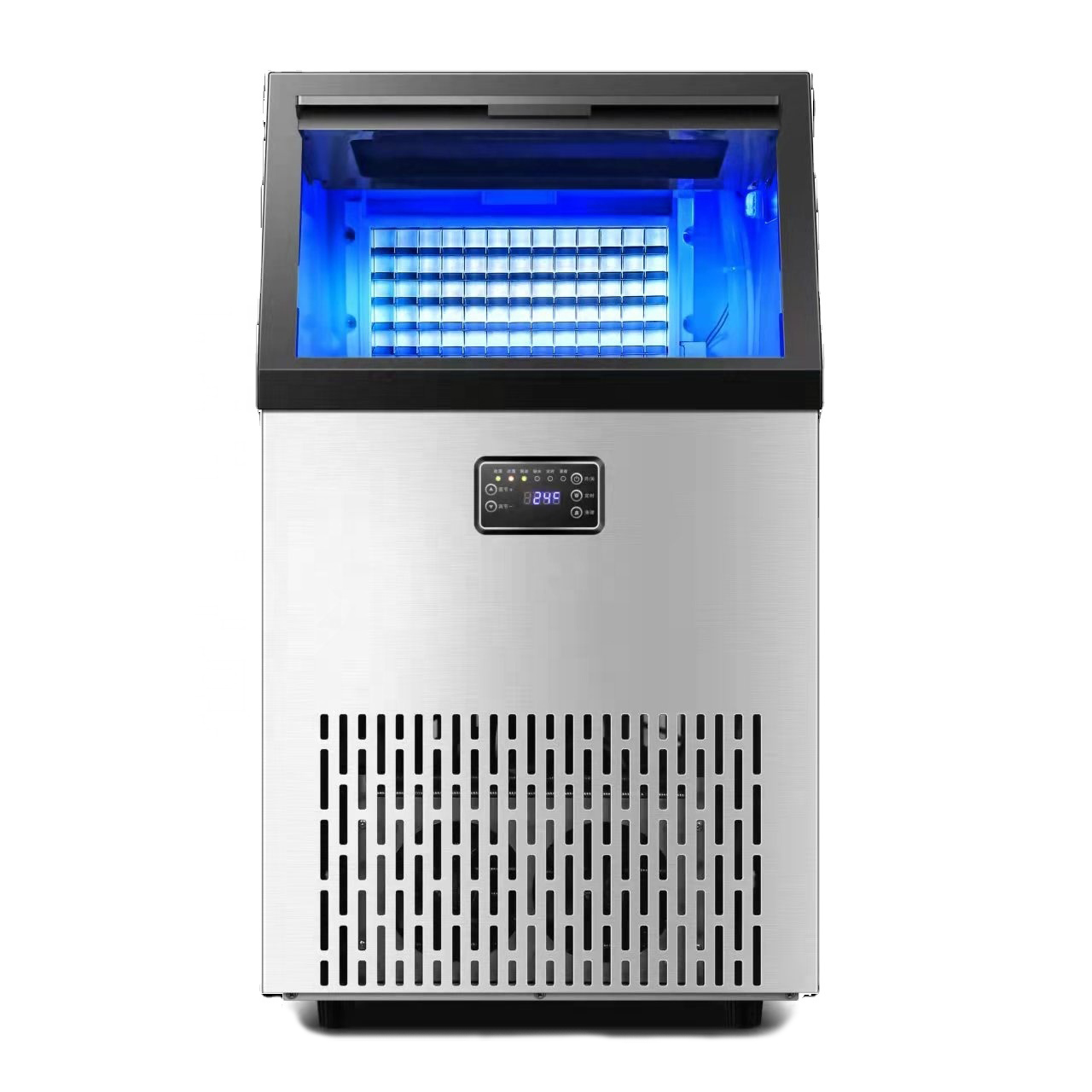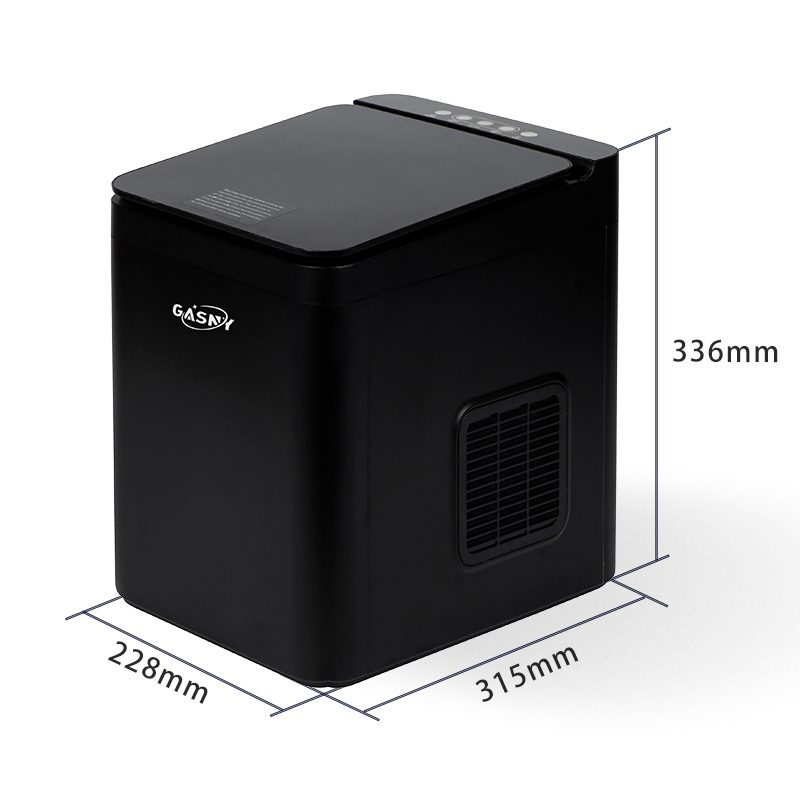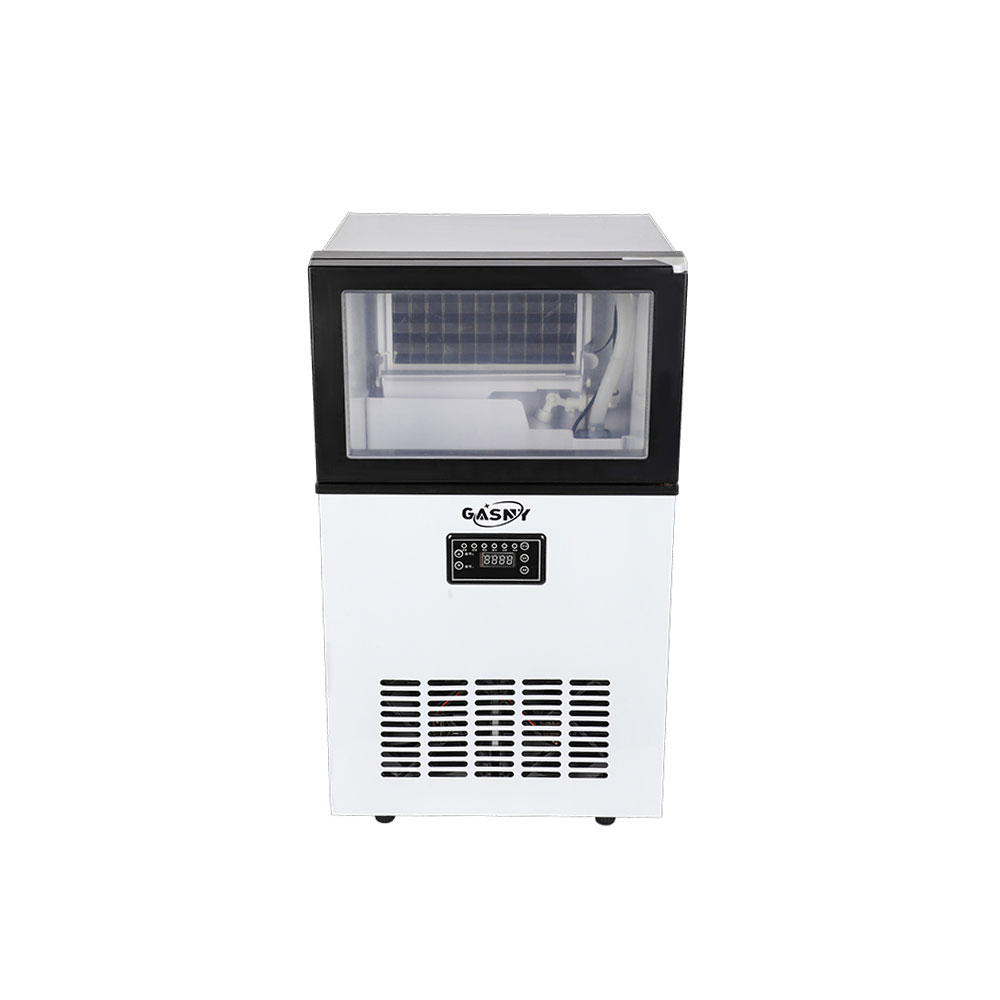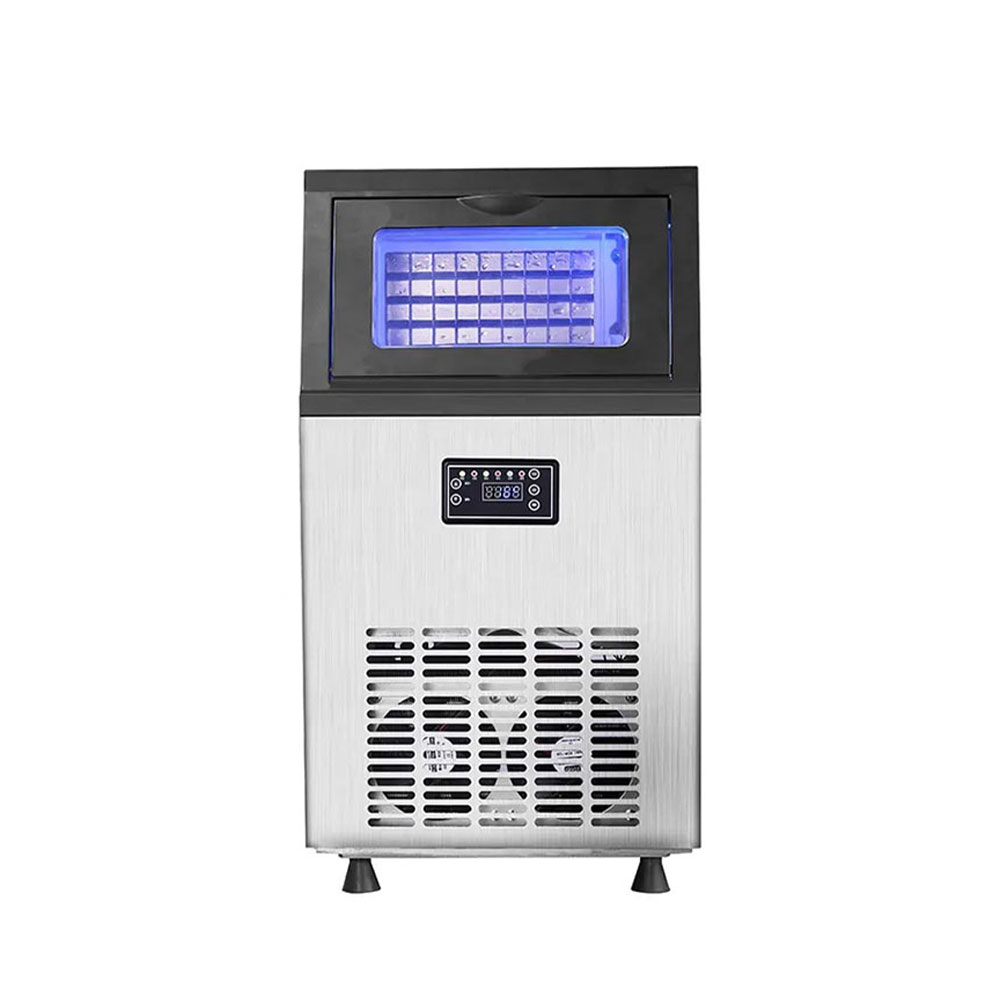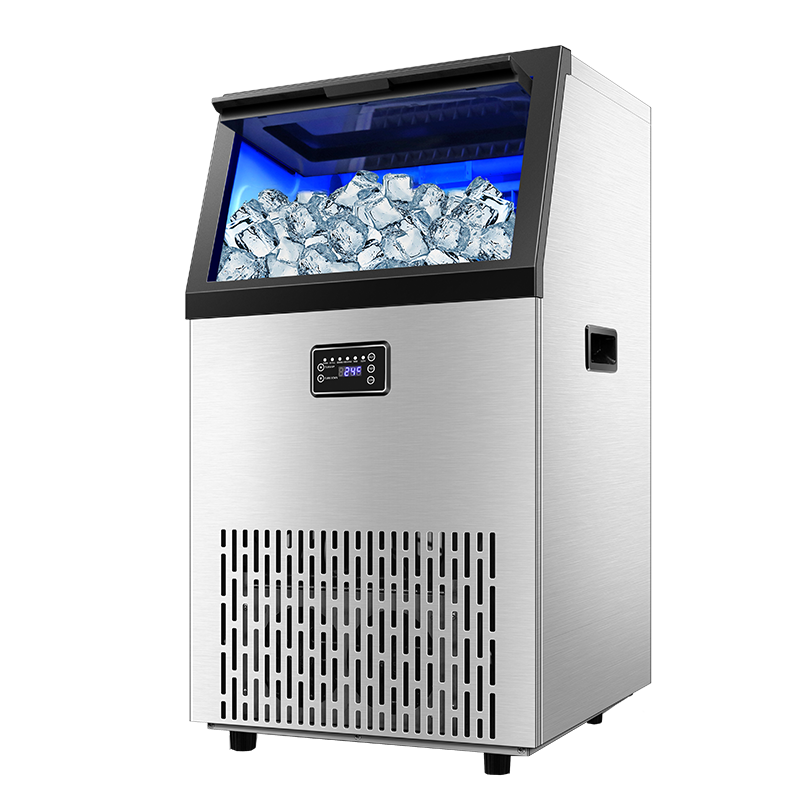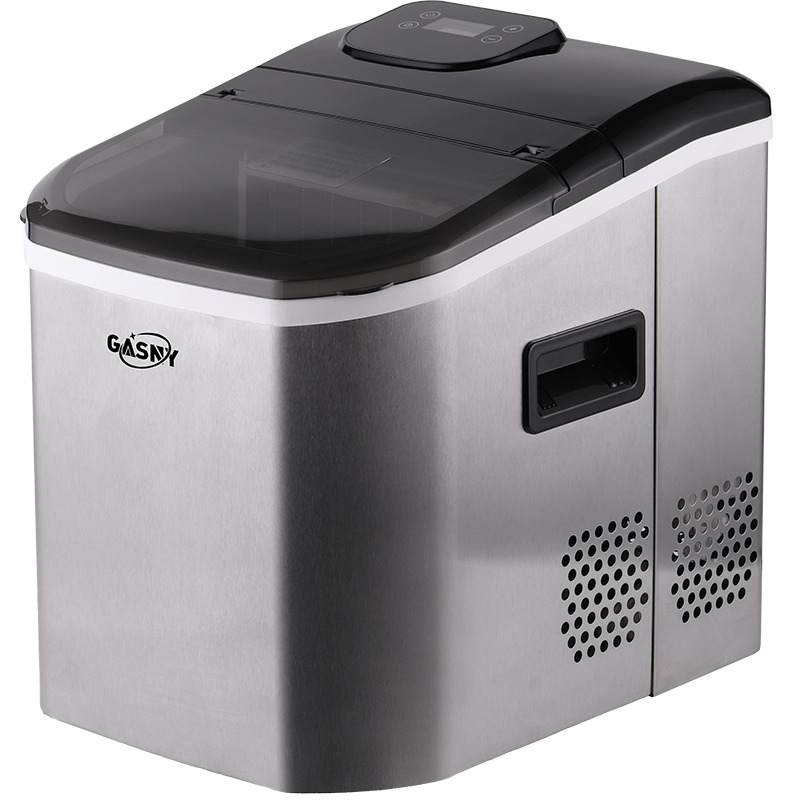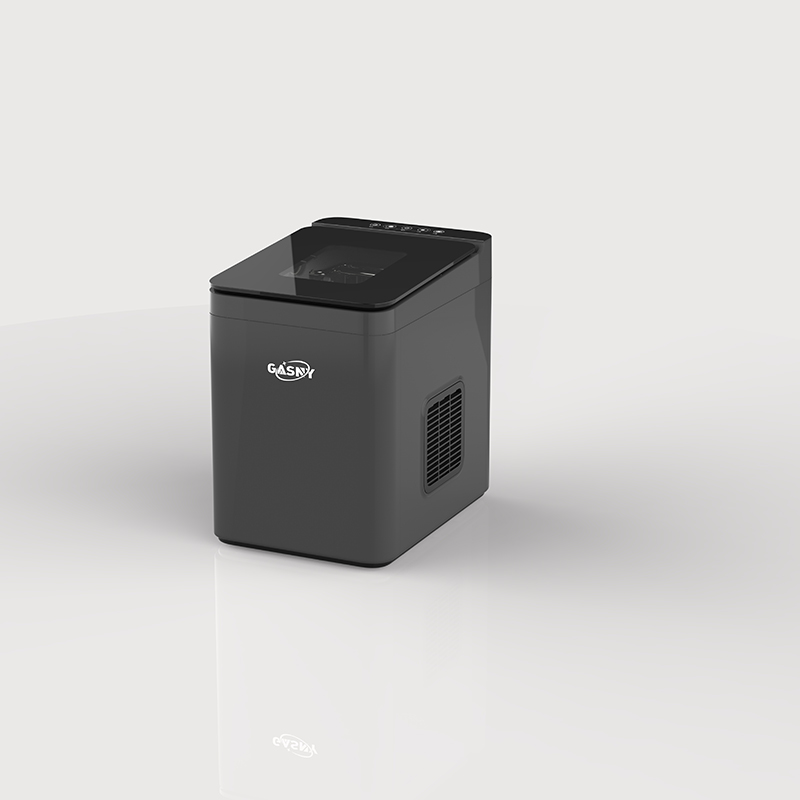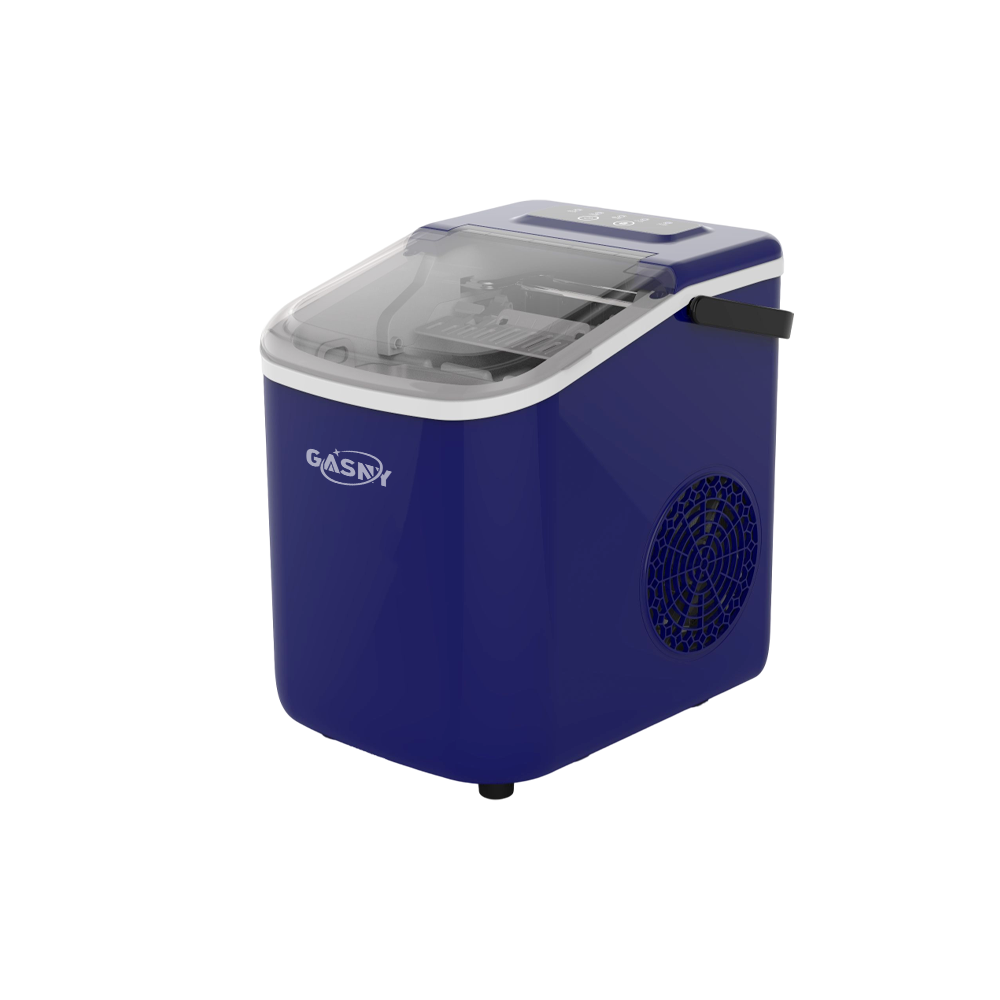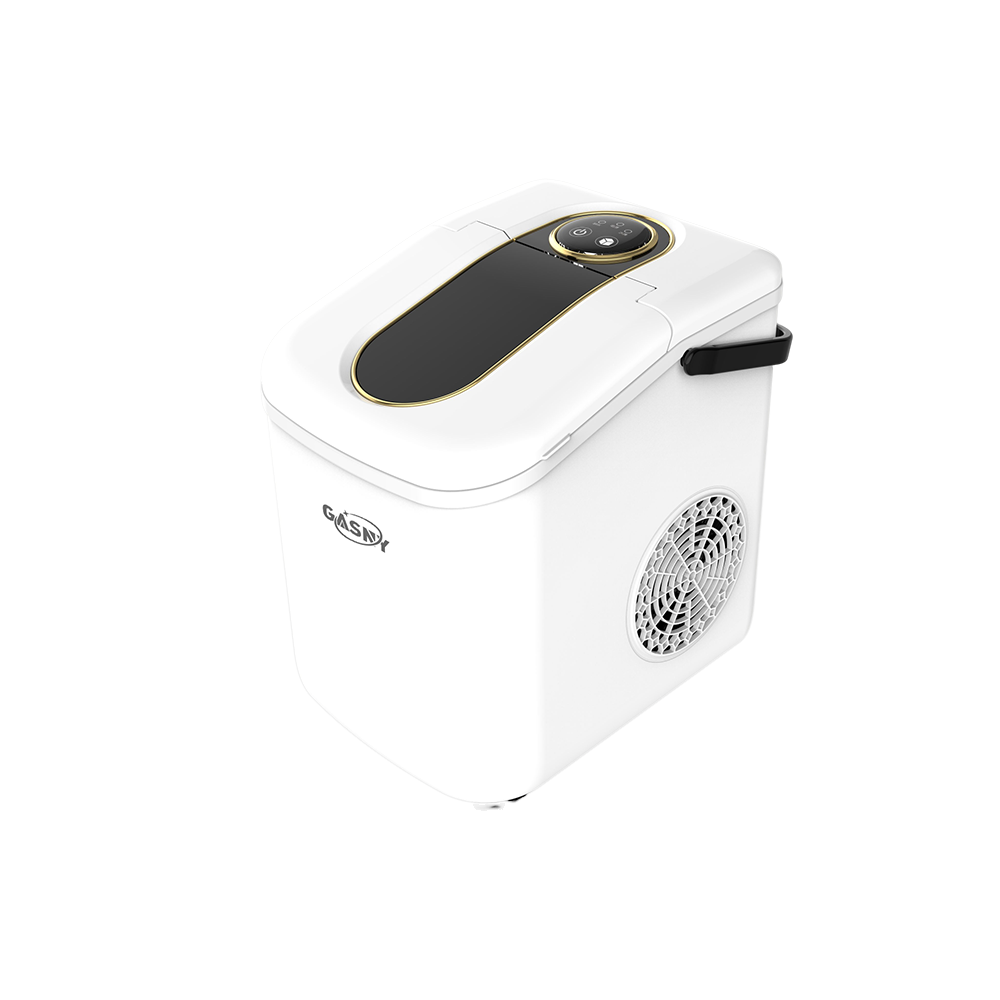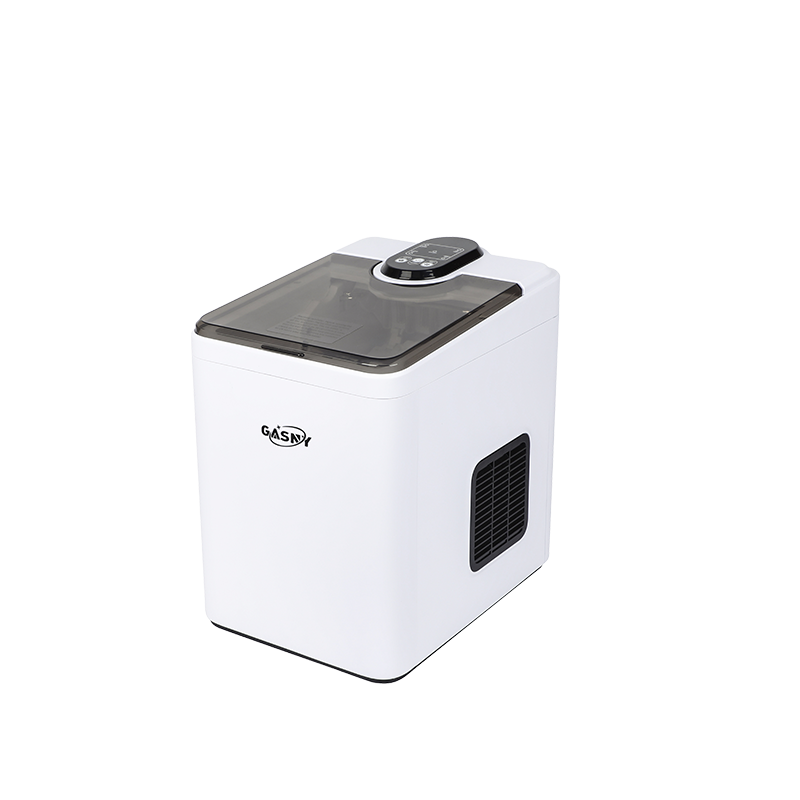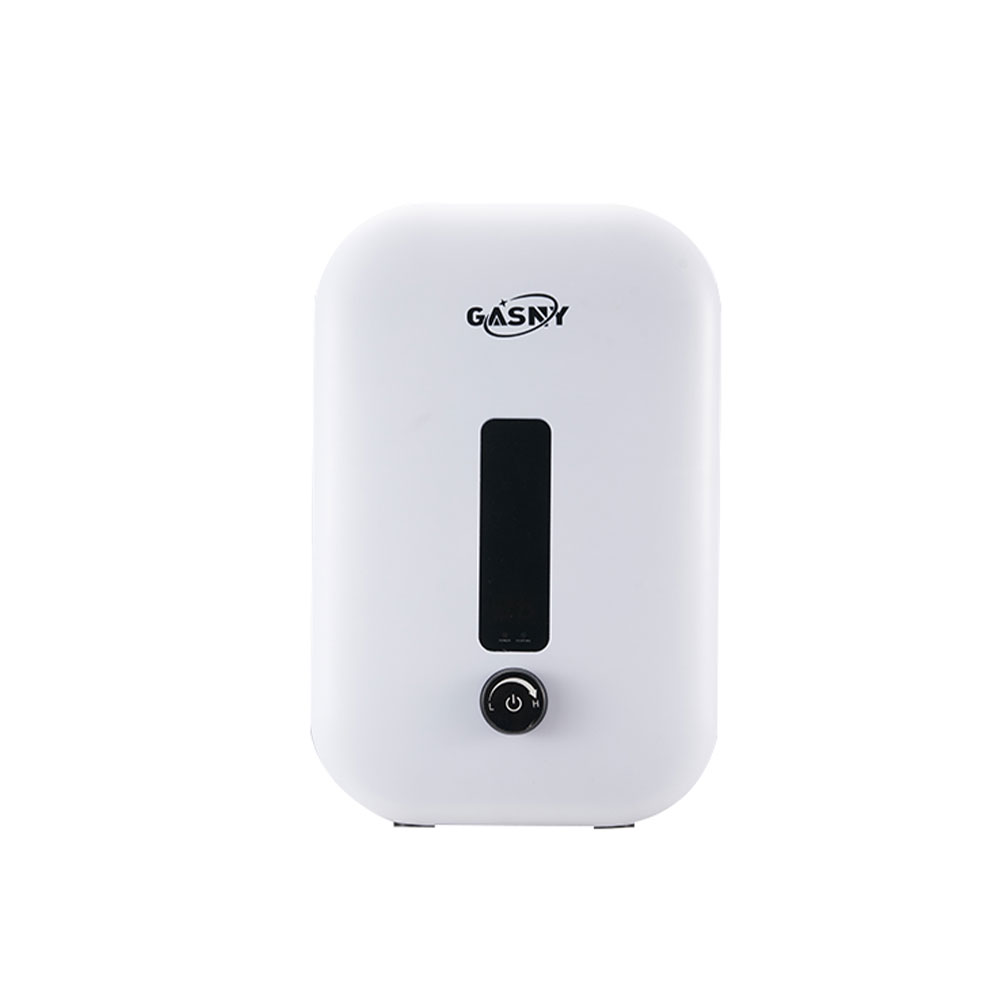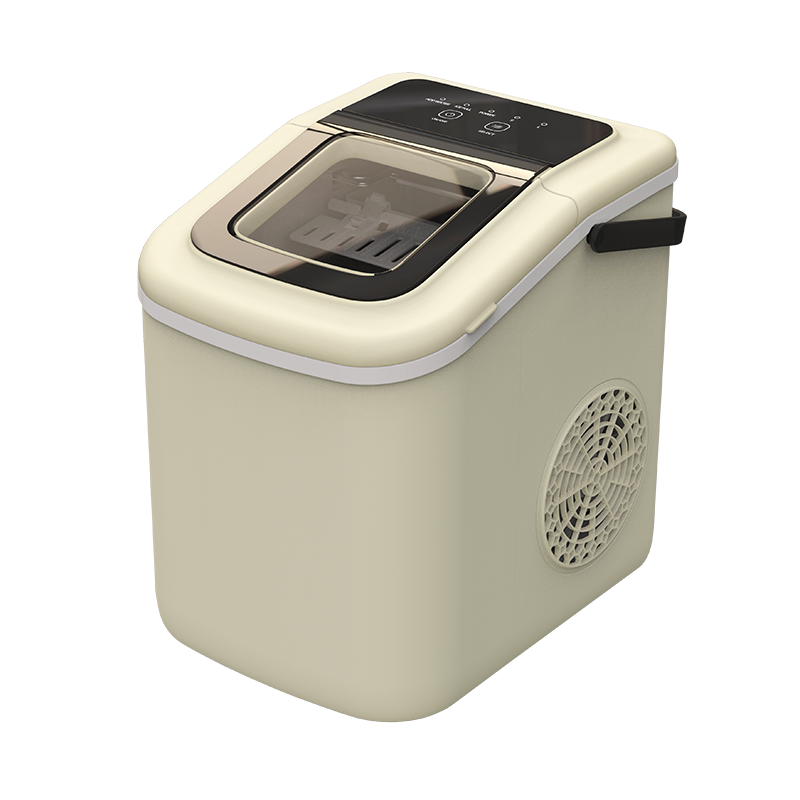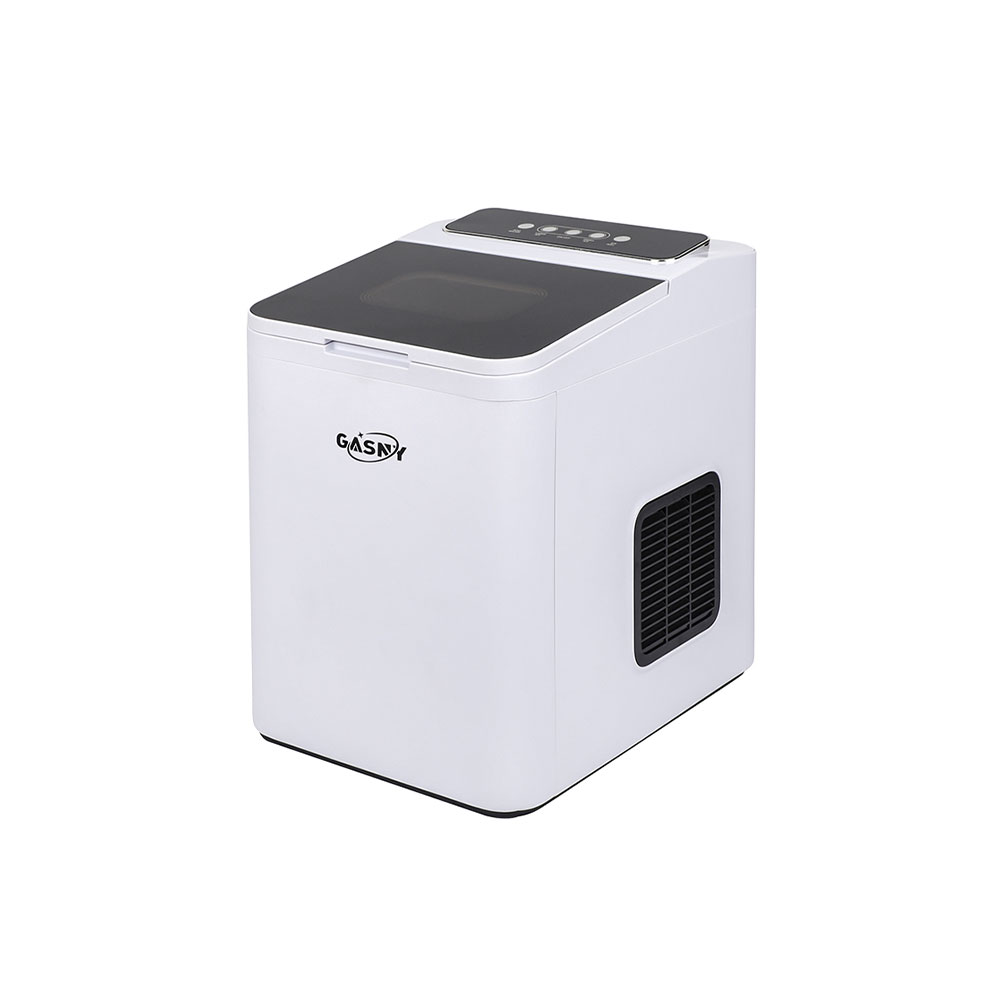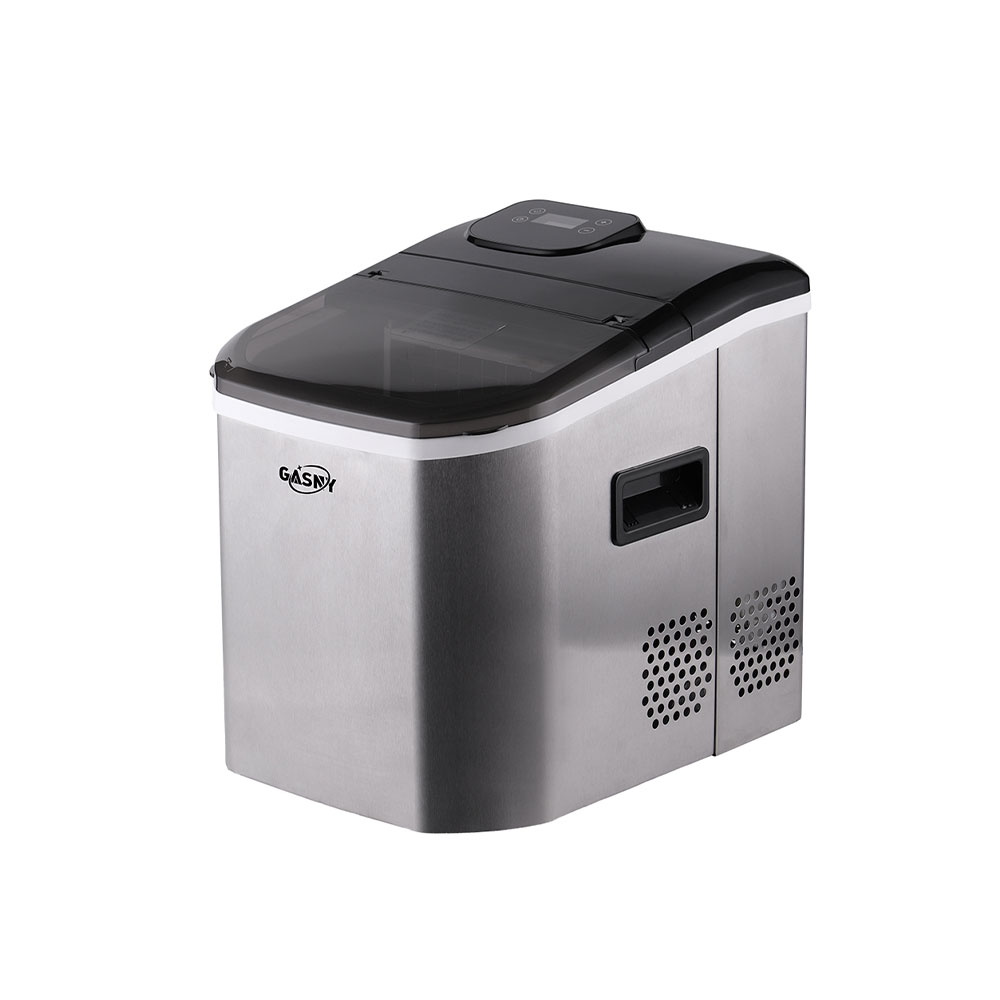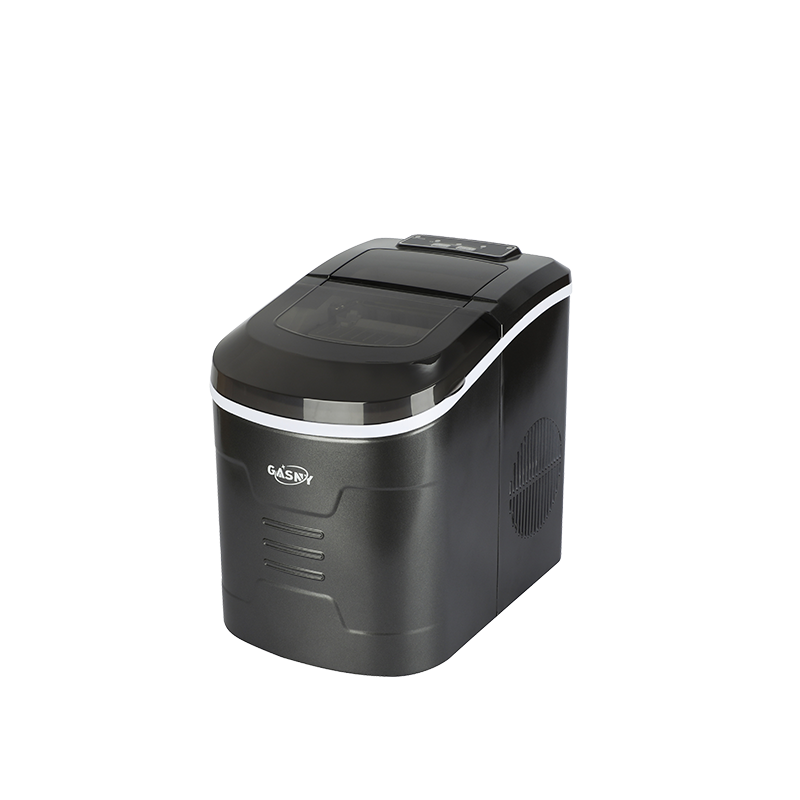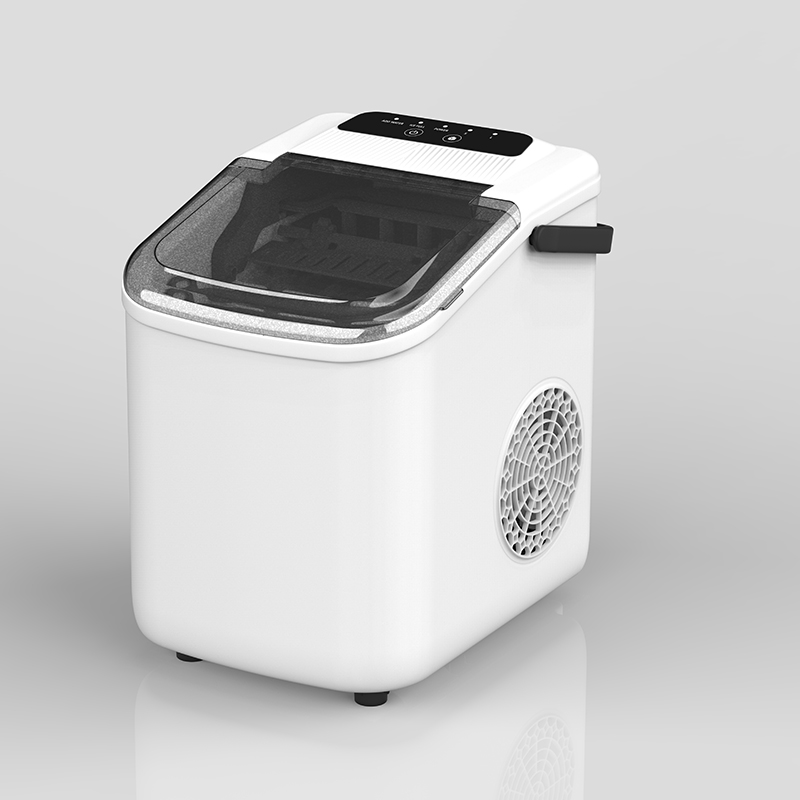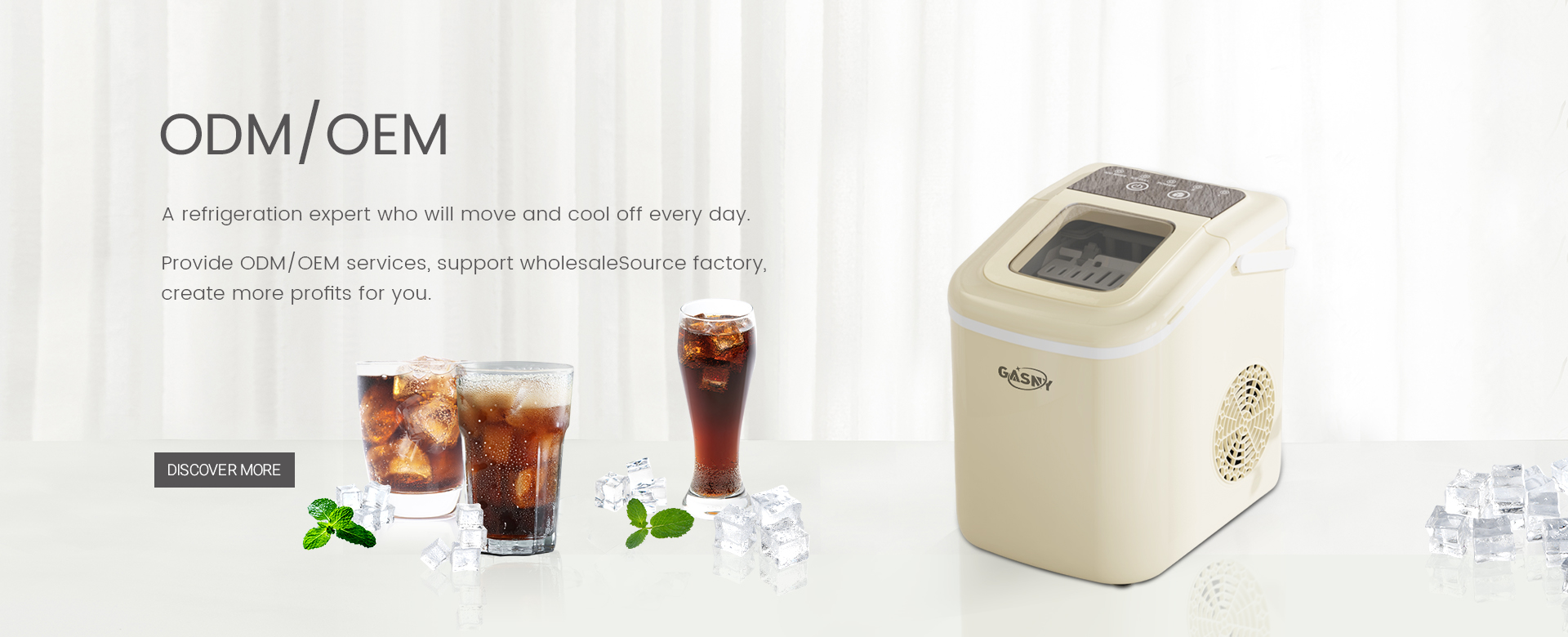
When I'm in the market for a reliable commercial ice cube machine, I want efficiency and quality. That's why I focus on ODM options that allow customization to meet my specific needs. Whether I'm running a bustling restaurant or a busy bar, having a dependable ice machine from a trusted factory is crucial. These machines not only produce crystal-clear ice cubes consistently, but they also fit seamlessly into any operational workflow, saving time and energy. I've found that choosing a manufacturer with a solid reputation ensures great performance and durability, which pays off in the long run. With various models available, it’s easy to find one that fits my space and volume requirements perfectly. Plus, knowing I have access to support and guidance from the factory makes the purchasing decision that much easier. Investing in a quality commercial ice cube machine is the foundation of my success in the food and beverage industry.
In the evolving landscape of the commercial ice cube machine industry, 2025 promises to be a year of significant transformation and opportunity. As global demand for reliable and efficient ice production continues to rise across various sectors—including hospitality, healthcare, and food service—industry leaders are strategically positioning themselves to meet these challenges head-on. Innovations in energy efficiency, user-friendly technology, and enhanced product durability will define the competitive landscape, allowing companies that leverage these advancements to capture greater market share. Sustainability is becoming a cornerstone of modern manufacturing practices, and leaders in the ice cube machine sector are embracing eco-friendly technologies to meet regulatory demands and consumer expectations. By integrating advanced sensors and IoT capabilities, these machines not only improve operational efficiency but also reduce energy consumption and waste. As customers increasingly prioritize environmentally responsible choices, companies that adopt greener technologies will gain a significant advantage. Furthermore, the global sourcing strategy will play a crucial role in 2025, as companies seek to optimize their supply chains. Collaborations with local suppliers can enhance responsiveness to market changes while decreasing production costs. By focusing on quality manufacturing and robust after-sales service, industry leaders can ensure customer satisfaction and loyalty, ultimately driving growth in a competitive environment. As we look ahead, those who adapt swiftly and innovatively to these trends will undoubtedly emerge as the frontrunners in the commercial ice cube machine industry.
| Company | Market Share (%) | Annual Revenue (Million USD) | Innovation Score (1-10) | Sustainability Rating (1-5) |
|---|---|---|---|---|
| Company A | 25 | 120 | 9 | 4 |
| Company B | 20 | 90 | 8 | 5 |
| Company C | 15 | 60 | 7 | 3 |
| Company D | 30 | 150 | 10 | 5 |
| Company E | 10 | 50 | 6 | 4 |